Hey — Bill with Raven Rocks Precision. Today I’m looking at .22-caliber bullet options, one of the most popular bullet calibers in the world. They’re commonly loaded in .223 Remington and, of course, 5.56 NATO, as well as many other .22-caliber rifle chamberings that use bullets of similar weight.
Why is it so popular? A few reasons: it’s common, economical to load compared with some larger, heavier-bullet options, and widely available. In front of me I have four different options we’ll discuss, plus a few others. Let’s start with use cases. Defensive and hunting roles are obvious fits, and there’s some crossover between match bullets (like 77-grain OTMs) and defensive or hunting bullets.
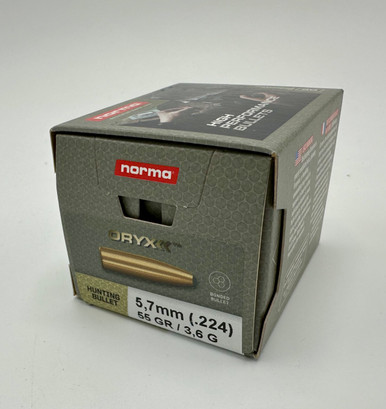
First, what I call the “Swedish V-Max.” These Norma Tip Strike bullets are made in Sweden. They’re a premium hunting bullet with a polymer tip and a vented jacket — excellent for varmint hunting and offering explosive terminal performance on target. They could also serve a defensive role.
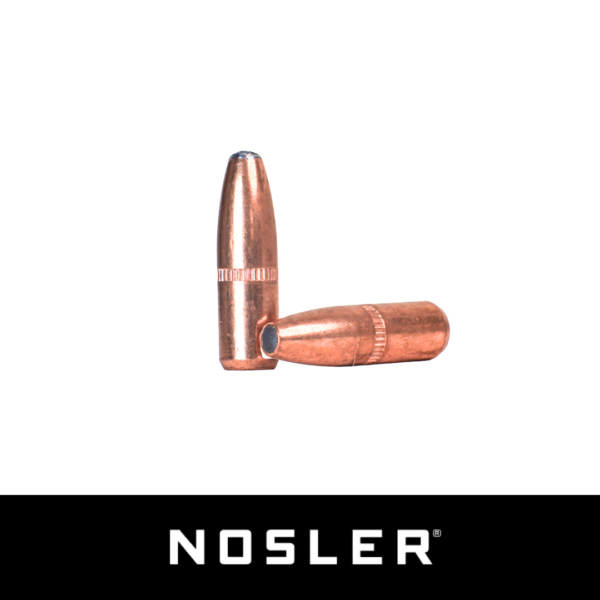
Next, along the hunting line, something a bit more unusual: a 100-grain protected-point, flat-based bullet. What’s notable is the weight — 100 grains is very heavy for a .22-caliber bullet, so you’ll want a fast twist rate like 1:7 to stabilize them. That weight gives handloaders versatility: you can load them up to around 2,200 ft/s or try experimenting with subsonic loads. One of the coolest parts of handloading is having options you don’t get off the shelf.
Now for match-grade options. I can’t leave Berger out of the equation — one of the most popular match-grade bullet makers. The long-range hybrid target bullets are 85.5 grains and recommend a minimum twist of 1:8. They’re a staple in precision shooting: more expensive, but an excellent OEM to start with if you’re chasing precision.
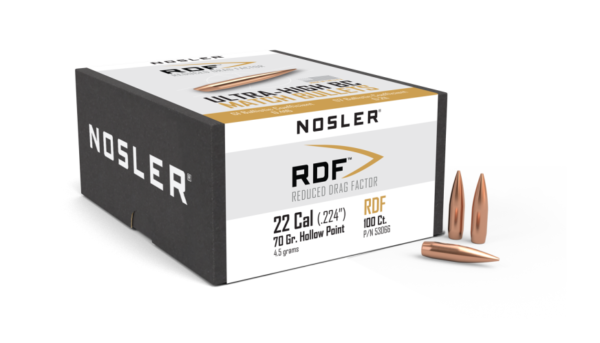
If you’re looking for very high ballistic coefficient bullets, Nosler RDFs are a good option — another way to load precise rifle ammunition. They’re somewhat economical at the price point compared with other high-BC choices. That leaves two common things people do with .22 caliber. First: shoot a lot. That’s where bulk FMJ 55- and 62-grain bullets come in — they let people load large quantities of inexpensive ammo for training and practice when match performance isn’t required. Several manufacturers produce these; LTS is one brand gaining popularity in the United States.
Second: frangible bullets. Scepter 35-grain frangibles are a popular choice and can be loaded at relatively low velocities for specific applications. Overall, these are popular bullet choices, but more importantly .22 caliber as a whole has a huge following. It’s widely available and will continue to be enjoyed by shooters for a long time.
Hide transcription▲